Competitor Comparison
CenoBots L3 vs Pudu CC1
If you are searching for a Pudu CC1 alternative, this is the practical buyer view. The CC1 stays in the conversation when multifunction marketing matters. The CenoBots L3 is usually the stronger compact commercial fit when you want better scrubber output, larger tanks, deeper autonomy, and a cleaner path to ROI for healthcare, education, retail, and senior living routes.
Choose the L3 if route quality matters more than gimmicks
The L3 usually wins when buyers need a compact robot that can still cover meaningful square footage with fewer refills, stronger scrubbing, and less operator babysitting.
Choose CC1 if multifunction cleaning is truly the top priority
The CC1 stays on the shortlist when the team values one platform that can market itself as scrub, sweep, and vacuum, even if scrub-first performance is not as strong.
Compare autonomy depth, not just robot size
Most late-stage buyers are really deciding how much intervention remains after deployment, including map updates, refill interruptions, and obstacle recovery.
CenoBots L3
$24,000 MSRP guidance
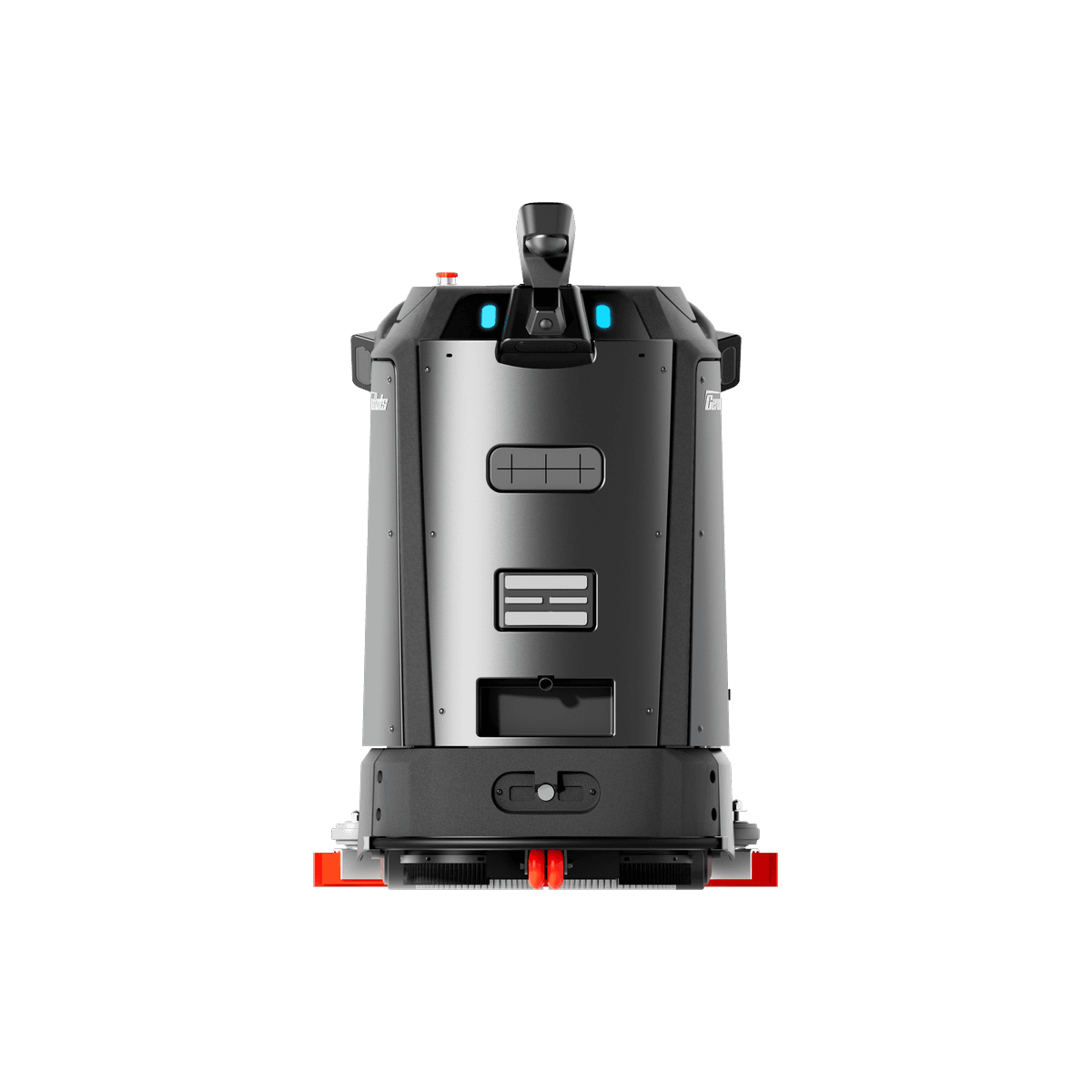
Best for: Compact commercial routes where buyers want stronger scrub-first performance, larger tanks, and deeper autonomy for real nightly cleaning.
- Published customer-facing MSRP guidance helps operations and finance budget earlier
- 6.6 gal / 25 L solution and 6.6 gal / 25 L recovery tanks for longer unattended runs than many compact alternatives
- 128-beam 3D LiDAR, NVIDIA AI chip (100 TOPS), plus optional WS3 (Automatic water refill, detergent fill, water drain, and charge) and TS3 (Fixed fill and drain point) for healthcare, education, retail, and senior living routes
Pudu CC1
Quote-based
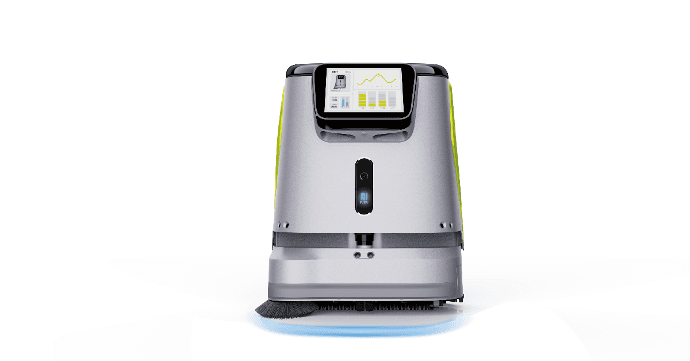
Best for: Buyers who prioritize multifunction cleaning modes and already know the tradeoffs that come with a lighter-duty compact platform.
- Well-known multi-function robot with scrubbing, sweeping, and vacuuming messaging
- Often shortlisted for hospitality, retail, and light commercial routes where brand familiarity matters
- Commercial fit depends on whether lower tank capacity, 2D-first navigation, and more teach-and-repeat workflow still fit the operation
Fast-answer buyer comparison
This is the commercial shortlist view, not a feature dump.
| What matters | CenoBots L3 | Pudu CC1 |
|---|---|---|
| Price posture | $24,000 MSRP guidance | Quote-based |
| Best fit | Healthcare corridors, schools, senior living, grocery perimeter routes, office buildings, mixed-use retail | Facilities prioritizing multi-function cleaning over dedicated scrubber output |
| Cleaning productivity | Higher published scrubber productivity with larger onboard tanks and stronger brush pressure | Lower productivity and smaller tanks, with more emphasis on multi-function versatility |
| Autonomy workflow | 128-beam 3D LiDAR, NVIDIA AI chip (100 TOPS), plus optional WS3 (Automatic water refill, detergent fill, water drain, and charge) and TS3 (Fixed fill and drain point) | Teach-and-repeat style workflow with auto-charging and refill support, but a lighter navigation stack |
| Main buyer advantage | Better price-to-autonomy path for serious compact scrubber buyers | Broader feature story if the team values sweeping and vacuuming modes first |
Where the L3 usually pulls ahead
Most buyers searching for a Pudu CC1 alternative are already late in the journey. They are not asking whether the CC1 is real. They are asking whether another compact robot can deliver a better route outcome with fewer refills, stronger scrubbing, and a cleaner buying story.
That is where the CenoBots L3 usually separates itself. It is built as a dedicated compact autonomous scrubber, not as a broad multi-function story first. For clinics, schools, grocery, retail, office corridors, and senior living routes, that usually translates into better daily fit and easier ROI justification.
The other important question is what happens around the robot, not just on the route. If your team is comparing unattended runtime, tank interruptions, map upkeep, and local support expectations, the L3 often creates a more practical deployment conversation than quote-first alternatives.
Quick buying framework
- Pick L3 first when tank capacity, scrub quality, and stronger autonomy matter more than having sweep and vacuum modes in the same sales story.
- Keep CC1 in play when multifunction cleaning is the actual top requirement and the team is comfortable with the operational tradeoffs.
- Escalate to L4 instead if your route is still compact but daily floor area is starting to outgrow the small-robot class.
Frequently asked questions
Late-stage buyer questions we hear from teams comparing CenoBots and Pudu.
What is a good Pudu CC1 alternative?
The CenoBots L3 is a strong Pudu CC1 alternative for buyers who want a compact autonomous scrubber with better scrub-first performance, larger onboard tanks, stronger navigation hardware, and a clearer customer-facing pricing posture.
How much does the Pudu CC1 cost compared with the CenoBots L3?
The CenoBots L3 is shown with customer-facing MSRP guidance around $24,000 on this comparison path. Pudu CC1 pricing is usually quote-based, so buyers should compare total deployment scope, service expectations, and workstation details instead of waiting to compare only after a quote appears.
Who should choose the CenoBots L3 over the Pudu CC1?
The L3 is usually the better fit for healthcare, schools, retail, senior living, and mixed-use commercial routes where dedicated scrubbing performance, longer unattended runtime, and stronger autonomy matter more than marketing multiple cleaning modes.
Is the Pudu CC1 better if I want sweeping and vacuuming too?
It can stay in the conversation if multi-function cleaning is your top requirement. But buyers should verify whether they are sacrificing scrub-first performance, tank capacity, and route consistency on the actual floors that matter most.
Can Sproutmation compare both robots using our building data?
Yes. Sproutmation can review route width, floor area, cleaning frequency, staffing pressure, and support expectations so your team can compare the L3 and CC1 on the real factors that decide rollout success.
Why buyers move away from a CC1-only shortlist
- They want a stronger compact scrubber first, not a multifunction platform with more tradeoffs.
- They need a clearer budget conversation before entering a quote-heavy buying process.
- They care more about nightly route completion and labor reduction than about checking more mode boxes.
Where the CC1 can still make sense
- Your team values sweep and vacuum modes enough that dedicated scrubbing performance is secondary.
- You have already validated the CC1 workflow and know the remaining operator burden fits your staffing model.
- The facility is light-duty enough that smaller tanks and lower productivity are acceptable tradeoffs.