Commercial Buyer Guide
Autonomous Floor Scrubber Comparison: CenoBots L3 vs L4 vs L50
Compare commercial autonomous scrubbers by MSRP, cleaning rate, aisle fit, tank capacity, and facility type. This page is built for buyers who want to shortlist the right robot before booking a demo or requesting a quote.
Choose your research depth
Open the comparison that matches the model you are considering
Use this lineup page for a fast size-class decision, or open a focused competitor guide for deeper research.
Choose by aisle width and obstacles
Measure the route’s narrowest passage, then compare it with each model’s published passage requirement.
Compare published productivity and capacity
Compare each model’s published productivity, tank capacity, runtime, and cleaning width with the planned route.
Choose by budget path
Start with the published MSRP, then validate deployment scope and support requirements.
How to use this comparison
Shortlist the right commercial cleaning robot before you request pricing
Buyers searching terms like commercial cleaning robot comparison, autonomous floor scrubber pricing, and cleaning robot lease vs RaaS can start with route requirements, published specifications, and buying structure.
Use the spec table to compare the machine class, then review aisle measurements, route length, support scope, and purchase, leasing, or monthly Robot-as-a-Service structures.
Fast buyer path
- 1. Match robot size to your narrowest route and highest-value floor area.
- 2. Compare throughput, tank capacity, and runtime against your nightly coverage goal.
- 3. Review our scrubber ROI guide for its comparison framework.
- 4. If monthly budget matters, review RaaS, rental, and subscription options.
CenoBots L3 Autonomous Scrubber Dryer
Compact ModelCompact autonomous scrubber with published route, runtime, productivity, and MSRP fields.
Assessment focus: Compare published dimensions, capacity, runtime, and productivity with the planned route.
CenoBots L4 Autonomous Scrubber Dryer
Mid-size ModelMid-size autonomous scrubber with published route, runtime, productivity, tank, and MSRP fields.
Assessment focus: Compare published dimensions, capacity, runtime, and productivity with the planned route.
CenoBots L50 AI-Powered Scrubber Dryer
Large ModelLarge autonomous scrubber with published route, runtime, productivity, tank, and MSRP fields.
Assessment focus: Compare published dimensions, capacity, runtime, and productivity with the planned route.
Compact Model 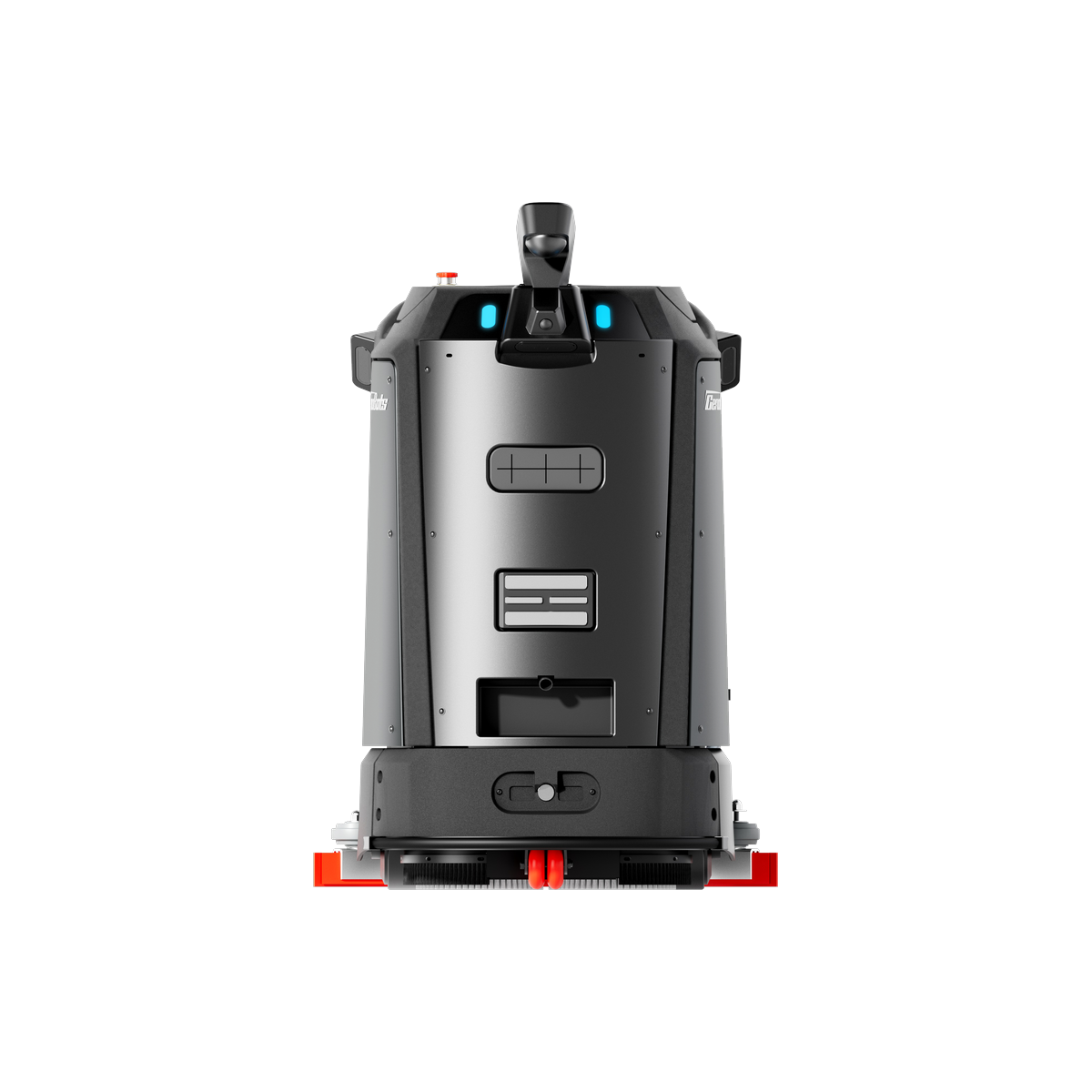 CenoBots L3 Autonomous Scrubber Dryer Compact autonomous scrubber. Autonomous ScrubberIn stock Runtime: Up to 4 hours (ECO mode) Up to 21,674 ft²/hr manufacturer rated 4,800–7,200 ft²/hr real-world expectation from RFM fleet telemetry (rfm.sproutmation.com) (Shopping mall) Sound: ≥64 dB(A) MSRP shown for buyer research. Quote depends on deployment scope. View Details | Mid-size Model 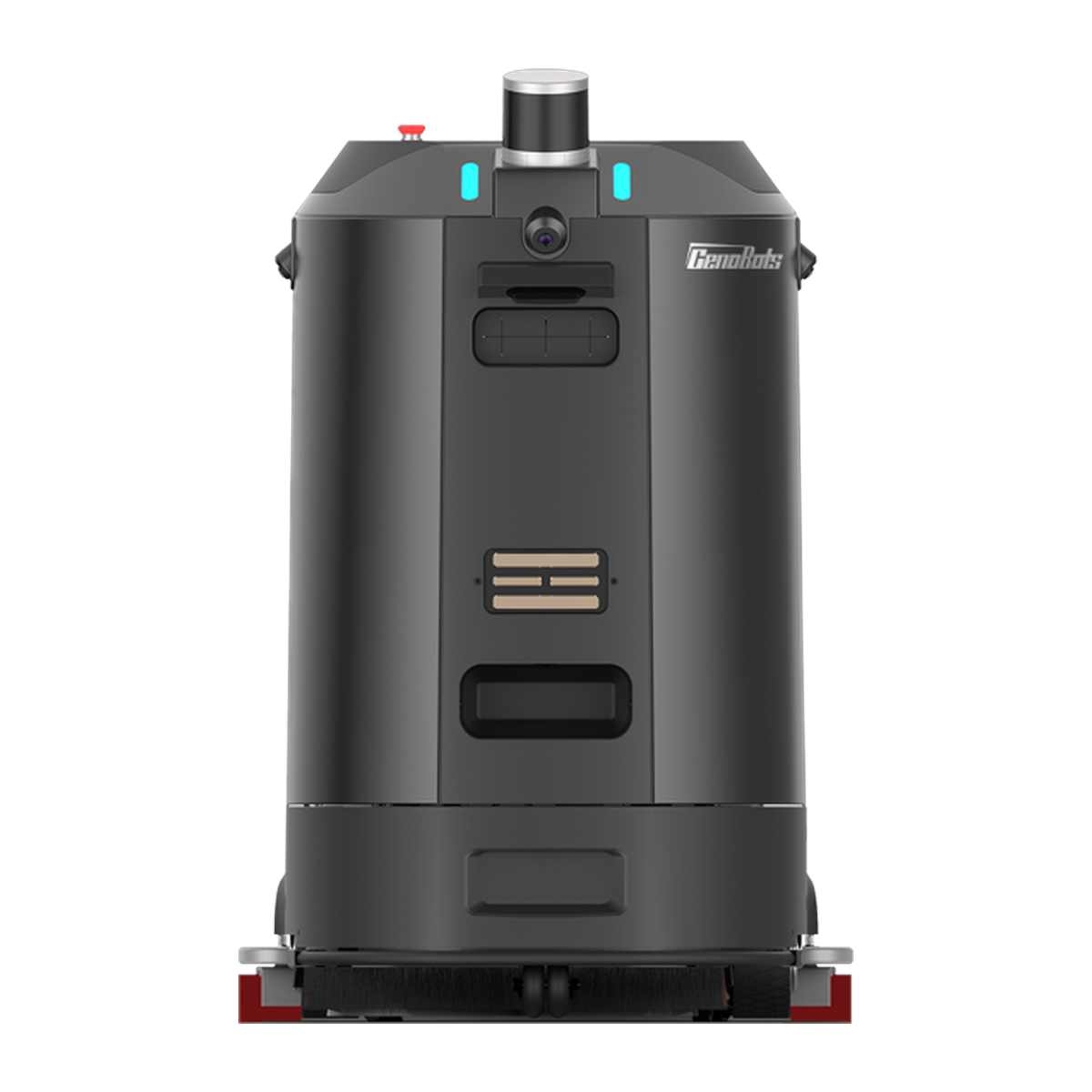 CenoBots L4 Autonomous Scrubber Dryer Mid-size autonomous scrubber. Autonomous ScrubberIn stock Runtime: 4.5 hours Up to 24,384 ft²/hr manufacturer rated 5,800–6,500 ft²/hr real-world expectation from RFM fleet telemetry (rfm.sproutmation.com) (Hospitals and clinics) Sound: ≥66 dB(A) MSRP shown for buyer research. Quote depends on deployment scope. View Details | Large Model 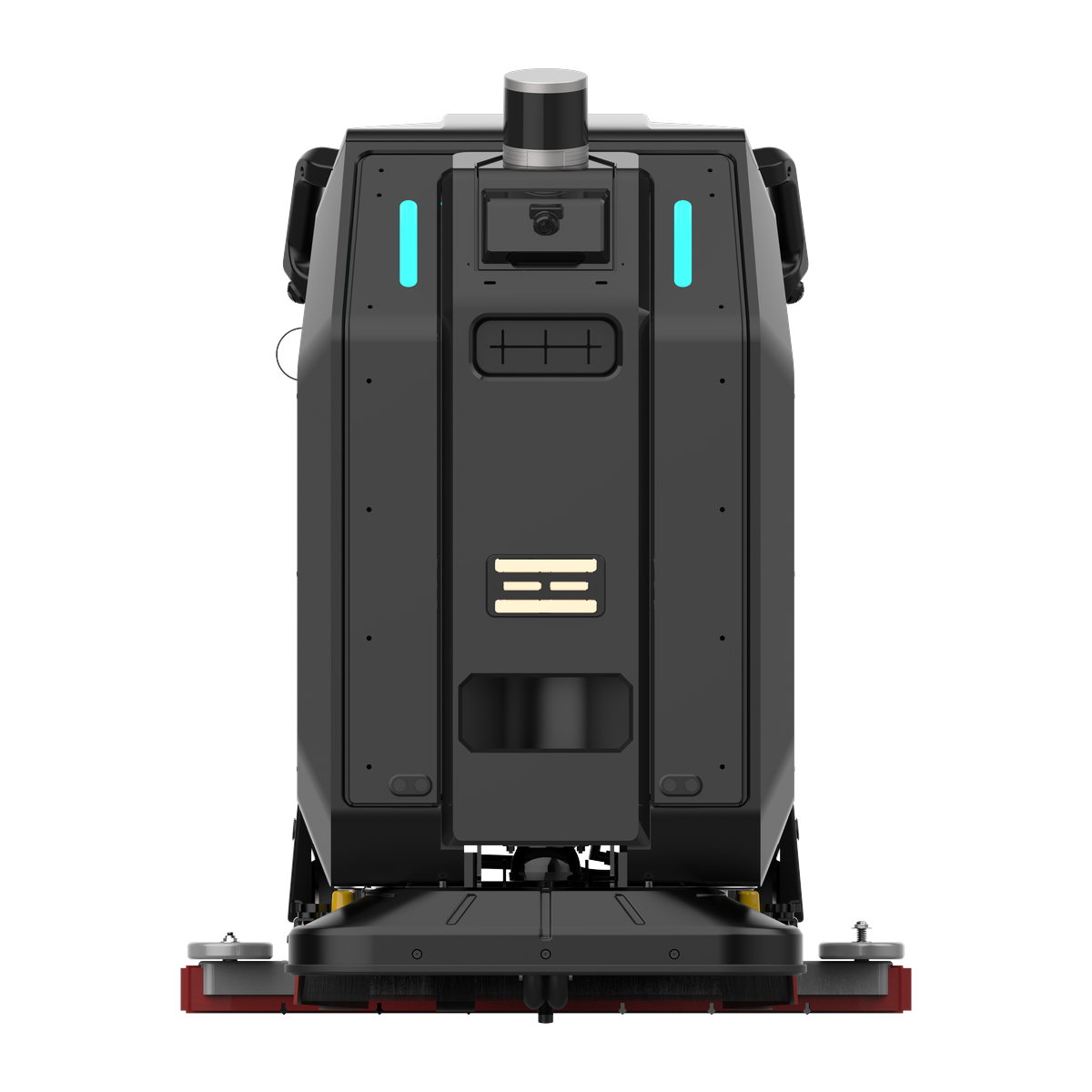 CenoBots L50 AI-Powered Scrubber Dryer High-capacity scrubbing for large spaces. Autonomous ScrubberIn stock Runtime: 6 hours Up to 27,641 ft²/hr manufacturer rated 5,800–8,200 ft²/hr real-world expectation from RFM fleet telemetry (rfm.sproutmation.com) (Hospitals, Large grocery and warehouse, Large factory and warehouse, K-12 schools, University) Sound: ≥67 dB(A) MSRP shown for buyer research. Quote depends on deployment scope. View Details | |
|---|---|---|---|
| Technical Specifications | |||
| Cleaning Width | 15.7 in / 400 mm | 17.7 in / 450 mm | 20 in / 510 mm |
| Min. Passage Width | 27.6 in / 700 mm minimum | 31.9 in / 810 mm minimum | 35.4 in / 900 mm minimum |
| Max Theoretical Productivity | Up to 21,674 ft²/hr manufacturer rated | Up to 24,384 ft²/hr manufacturer rated | Up to 27,641 ft²/hr manufacturer rated |
| Solution Tank | 6.6 gal / 25 L | 10 gal / 38 L | 14.5 gal / 55 L |
| Recovery Tank | 6.6 gal / 25 L | 9.5 gal / 36 L | 14.5 gal / 55 L |
| Brush Pressure | 39.7 lbs / 18 kg | 44 lbs / 20 kg | 55 lbs / 25 kg |
| Battery Life | Up to 4 hours (ECO mode) | 4.5 hours | 6 hours |
| Charge Time | 1.5 hours / 2 hours | 2.5 hours | 4 hours |
| Weight | 280 lbs / 127 kg | 331 lbs / 150 kg | 485 lbs / 220 kg |
| AI Chip | NVIDIA AI chip (100 TOPS) | NVIDIA AI chip (100 TOPS) | NVIDIA AI chip (100 TOPS) |
| Navigation | 128-beam 3D LiDAR, Depth camera, Bumper sensor | 32-beam 3D LiDAR, 3D depth camera, Bumper sensor, IMU | 32-beam 3D LiDAR, Depth camera, Bumper sensor, IMU |
| Sound Level | ≥64 dB(A) | ≥66 dB(A) | ≥67 dB(A) |
| Comparison Checklist | |||
|
|
| |
| View L3 Get a Quote | View L4 Get a Quote | View L50 Get a Quote | |
Buyer guidance for route assessment and payment model
Start with route requirements and published specifications, then review the buying structure and support scope.
Start with route fit
Measure your narrowest path, highest-value floor area, and how often the route must run. That quickly tells you whether the L3, L4, or L50 should be the lead option.
Then review the schedule
Validate the route, traffic window, refill workflow, and support plan during a live evaluation.
Choose the buying path last
Once the robot class is right, compare purchase, lease, and Robot-as-a-Service structures so finance and operations are evaluating the same deployment plan.
Site categories and comparison checks
Healthcare, clinics, schools, tighter mixed-use buildings
Compare the L3’s published passage width, dimensions, capacity, runtime, and productivity with the measured route.
Models to assess
L3, L4, and L50
Retail, grocery, senior living, mid-size education and commercial sites
Compare the L4’s published passage width, dimensions, capacity, runtime, and productivity with the measured route.
Models to assess
L3, L4, and L50
Warehouses, airports, distribution, large-format retail and open campuses
Compare the L50’s published passage width, dimensions, capacity, runtime, and productivity with the measured route.
Models to assess
L3, L4, and L50
Route-fit matrix: match the robot to the cleaning path buyers actually own
Use route geometry to organize the comparison. Measure turns, passage widths, thresholds, charging access, and refill and recovery steps during the assessment.
| Route profile | What the path usually looks like | Models to assess | Next comparison |
|---|---|---|---|
Tight mixed-use routes L3 minimum passage: 27.6 in / 700 mm minimum; L4 minimum passage: 31.9 in / 810 mm minimum. Also validate door thresholds, turns, and shared corridors. | Compare published passage width and dimensions with turns, thresholds, corridors, transitions, and other measured route constraints. | Compare all three | Compare compact alternatives → |
Balanced commercial routes Retail floors, grocery loops, senior living corridors, wider school halls | Compare published passage width, dimensions, tank capacity, brush pressure, runtime, and productivity with the measured route. | Compare all three | See L4 competitor pages → |
Long open routes Warehouse aisles, airport concourses, large-format retail, logistics lanes | Compare the L50’s published tank capacity, cleaning width, passage width, runtime, and productivity with the measured route. | Compare all three | Review large-format alternatives → |
What strong buyers validate before comparing quotes
Review the narrowest path, planned run, refill and recovery workflow, and local support scope before launch.
- Aisle fit: measure the tightest repeatable route, not the widest open area.
- Coverage target: define the floor area that must be cleaned every shift, not total building square footage.
- Workflow: pressure-test charging, refill, drain, and restart steps if you want dependable overnight cleaning.
- Support geography: confirm service coverage in Minnesota, Wisconsin, or Iowa before assuming two similar quotes carry the same risk.
Procurement path: when buyers should purchase, lease, or use RaaS
Once route fit is clear, procurement usually becomes the real blocker. This is where comparison pages can convert by answering the next question directly instead of sending buyers back to search for leasing, subscription, or ROI guidance.
| If your buying situation is... | Compare... | Why | Next page |
|---|---|---|---|
| CapEx is available and the route is stable for years | Purchase | Compare ownership responsibilities, deployment scope, and support requirements. | Review purchase considerations → |
| Monthly budget predictability matters more than lowest total cost | Lease / finance | Useful when the building fit is already clear and finance wants a cleaner monthly approval path. | Review leasing options → |
| Operations wants one accountable support path after go-live | RaaS / subscription | Compare service accountability, deployment help, payment structure, and support scope. | Compare RaaS programs → |
How commercial buyers usually decide
Compare the CenoBots L3 using its published dimensions, capacity, runtime, and productivity. Compare the L4 when reviewing its published capacity, dimensions, and navigation details. Compare the L50 when reviewing its published tank capacity, cleaning width, runtime, and productivity.
For SEO and buyer usefulness, this page focuses on the comparison questions real teams ask before contacting sales: which robot fits the building, how much it costs at MSRP, what cleaning rate to expect, and when to move up to a larger machine.
Teams also use this page as the bridge between technical selection and procurement. Once you know the likely robot class, compare a capital purchase against cleaning robot rental or RaaS optionsand review the comparison framework in our ROI guide.
If you want model-by-model detail next, visit the individual product pages, review competitor comparisons, or use our facility cleaning assessmentto prepare site and deployment requirements.
Need a recommendation fast?
Send us your site type, square footage, aisle width, and cleaning schedule. We will review the model comparison and next assessment steps.
How to choose the right autonomous floor scrubber for your facility
Buyers searching for an autonomous floor scrubber comparison usually do not need more brochure language. They need to compare published specifications with aisle widths, soil load, refill workflow, and operating plan. The fastest shortlist is usually built from four questions: how tight is the route, how many square feet must be cleaned per shift, how often the robot can refill, and whether the route needs a compact machine or a higher-capacity platform.
Start with the route, not the brochure
Measure tight turns, door thresholds, patient areas, checkout lanes, classroom transitions, shared corridors, and long open runs. Compare those measurements with the published details for the CenoBots L3, L4, and L50.
Then compare capacity, workflow, and support
A commercial floor scrubber comparison should also include workflow requirements and support scope. If your team wants a monthly operating model instead of a capital purchase, compare the robot shortlist with our cleaning robot RaaS guideand leasing options guide. That gives buyers the missing context behind MSRP, including deployment, preventive maintenance, training, and service accountability.
Model assessment shortcuts
Review the L3
Compare its published dimensions, passage width, tank capacity, runtime, and productivity with the planned route.
Review the L4
Compare its published dimensions, passage width, tank capacity, runtime, and productivity with the planned route.
Review the L50
Compare its published dimensions, passage width, tank capacity, runtime, and productivity with the planned route.
Comparison by facility type
| Facility type | Models to assess | Assessment focus |
|---|---|---|
| Healthcare, clinics, senior living | L3, L4, and L50 | Measure passages, turns, thresholds, route length, and schedule. |
| Schools, universities, municipal buildings | L3, L4, and L50 | Measure passages, turns, thresholds, route length, and schedule. |
| Retail, grocery, mixed-use commercial | L3, L4, and L50 | Measure passages, turns, thresholds, route length, and schedule. |
| Warehouses, airports, large venues | L3, L4, and L50 | Measure passages, turns, thresholds, route length, and schedule. |
How commercial buyers should compare autonomous floor scrubbers
Compare route requirements, published specifications, support expectations, and payment structure together.
Start with facility type, not just robot size
Buyers searching for an autonomous floor scrubber comparison usually want a fast answer to a practical question: which robot class should they evaluate for the route and shift window? Start with aisle width, published capacity, schedule, and whether the route has to run before first shift, after closing, or across multiple zones in one night.
Compare total deployment fit, not headline throughput
Compare passage width, tank capacity, navigation details, local service coverage, and financing path together. Validate route completion and operating workflow during a site assessment.
Use the comparison page to narrow the next click
If you are still deciding between compact, mid-size, and large autonomous scrubbers, use the published dimensions, capacity, runtime, and productivity fields to decide what to evaluate next.
Need local deployment support after you choose a model?
Sproutmation supports sites across Minnesota, Wisconsin, and Iowa. If your evaluation is moving from comparison into a deployment plan, these regional pages cover local service reach and next steps for a site walk.
Minnesota facilities
See service coverage, local support, and deployment guidance for Minnesota healthcare, education, retail, and industrial sites.
Wisconsin facilities
Review autonomous cleaning robot support coverage across Wisconsin for manufacturing, senior living, retail, and commercial facilities.
Iowa facilities
Explore Iowa deployment guidance for grocery, schools, healthcare, warehouses, and other hard-floor operations.
High-intent next steps: compact routes, 24/7 cleaning, and lease vs RaaS
Buyers close to a shortlist usually need one of three answers next: whether a compact autonomous scrubber is the right class, whether the route can support 24/7 or unattended cleaning, and whether a purchase, lease, or Robot-as-a-Service structure makes the most operational sense. These pages keep that decision path tight instead of sending visitors back to search.
Compare the L3 against compact competitors
Use the compact comparison to review published dimensions, capacity, runtime, productivity, and route requirements.
Open compact comparison →Pressure-test docking, refill, and overnight workflow
Use our 24/7 cleaning guide to review runtime, recovery, recharge, resume, and operator workflow requirements.
Read the 24/7 buyer guide →Match the ownership model to uptime risk
Once the right robot class is clear, compare leasing, subscription, and RaaS structures so finance, operations, and procurement are evaluating the same support and uptime assumptions.
If you operate across the Upper Midwest, pair those pages with our regional coverage for Minnesota, Wisconsin, and Iowa so local service response stays part of the buying decision.
Autonomous Floor Scrubber Comparison FAQ
Common buyer questions about fit, MSRP pricing, ROI, and model differences.
How do I view current CenoBots pricing?
Pricing varies by model, configuration, deployment scope, accessories, and site requirements. Sign in to view current pricing, or request a site assessment and quote.
What is the difference between the CenoBots L3, L4, and L50?
Compare the published dimensions, passage width, tank capacity, brush pressure, runtime, cleaning width, and productivity fields for the L3, L4, and L50.
How do I choose the right autonomous floor scrubber for my building?
Commercial buyers should compare five things first: minimum passage width, cleaning rate, tank capacity, run time, and the amount of daily floor area that must be cleaned without interrupting operations. After that, validate navigation performance and service support for your site.
Is the L50 always the best autonomous scrubber because it is the largest?
No model should be selected from size alone. Compare published dimensions, passage width, tank capacity, runtime, productivity, site measurements, schedule, and budget.
Ready to narrow this down to the right model for your facility?
Most common starting point
Review the L3 published MSRP, dimensions, runtime, capacity, and productivity alongside the corresponding L4 and L50 fields.
Review the L3Free site assessment
Tell us your site type, square footage, aisle width, and cleaning schedule. We will review the comparison and site-assessment steps with you.
Book an AssessmentCompare against competitors
Keep researching with deeper model-vs-model pages and buyer guides built for high-intent commercial buyers.
CenoBots S5 Buyer Guide
CenoBots S5 specs, MSRP guidance, and S5 vs SP50 comparison for warehouse and industrial sweeper buyers.
L3 vs Competitors
CenoBots L3 vs Pudu CC1, Gausium Phantas, and Nilfisk SC25.
L4 vs Competitors
CenoBots L4 vs Kärcher KIRA B50, Nilfisk Liberty SC50, and Tennant T380 AMR.
L50 vs Competitors
CenoBots L50 vs Kärcher KIRA B50, Nilfisk SC50/SC60, and Tennant T380 AMR.
Kärcher KIRA B 50 Alternative
Bottom-funnel buyer page for teams specifically searching KIRA B 50 alternatives and comparing value, autonomy, and facility fit.
Tennant T380 AMR Alternative
Bottom-funnel buyer page for teams specifically searching T380 AMR alternatives and comparing price posture, autonomy workflow, and mid-size facility fit.
Tennant X4 ROVR Alternative
Bottom-funnel buyer page for teams specifically searching Tennant X4 ROVR alternatives and comparing tighter-aisle fit, runtime, and autonomy workflow.
Nilfisk Liberty SC50 Alternative
Bottom-funnel buyer page for teams specifically searching Liberty SC50 alternatives and comparing autonomy workflow, facility fit, and practical ROI.
ICE RS26 Alternative
Bottom-funnel buyer page for teams specifically searching ICE RS26 alternatives and comparing mid-size route fit, support ownership, and budget posture.
Tennant X4 ROVR Alternative
Bottom-funnel buyer page for teams specifically searching Tennant X4 ROVR alternatives and comparing tight-aisle fit, runtime, and price posture.
Tennant T7 AMR Alternative
Bottom-funnel buyer page for teams specifically searching Tennant T7 AMR alternatives and comparing large-route autonomy, support model, and price posture.
Kärcher KIRA BR 200 Alternative
Bottom-funnel buyer page for teams specifically searching KIRA BR 200 alternatives and comparing large-route autonomy, roller-brush tradeoffs, and deployment fit.
Avidbots Neo Alternative
Bottom-funnel buyer page for teams specifically searching Avidbots Neo alternatives and comparing large-route autonomy, support model, and price posture.
Avidbots Kas Alternative
Bottom-funnel buyer page for teams specifically searching Avidbots Kas alternatives and comparing compact-route fit, support ownership, and deployment clarity.
Tennant T16AMR Alternative
Bottom-funnel buyer page for teams specifically searching Tennant T16AMR alternatives and comparing large-route autonomy, operator workflow, and price posture.
Pudu CC1 Alternative
Bottom-funnel buyer page for teams specifically searching Pudu CC1 alternatives and comparing compact scrubber value, autonomy depth, and route fit.
PUDU CC1 Pro Alternative
Bottom-funnel buyer page for teams specifically searching PUDU CC1 Pro alternatives and comparing all-in-one workflow tradeoffs, scrubber performance, and route fit.
Gausium Phantas Alternative
Bottom-funnel buyer page for teams specifically searching Gausium Phantas alternatives and comparing compact-route fit, onboard capacity, and practical ROI.
Gausium Mira Alternative
Bottom-funnel buyer page for teams searching Gausium Mira alternatives and weighing all-in-one debris handling against dedicated compact scrubber performance.
LionsBot R3 Scrub Alternative
Bottom-funnel buyer page for teams specifically searching LionsBot R3 Scrub alternatives and comparing compact-route autonomy, practical scrubber output, and price posture.
Nilfisk Liberty SC25 Alternative
Bottom-funnel buyer page for teams specifically searching Liberty SC25 alternatives and comparing compact-route autonomy, MSRP visibility, and deployment fit.
Nilfisk Liberty SC20 Alternative
Bottom-funnel buyer page for teams specifically searching Liberty SC20 alternatives and comparing compact-route fit, support ownership, and pricing posture.
TASKI swingoBot 2000 Alternative
Bottom-funnel buyer page for teams specifically searching TASKI swingoBot 2000 alternatives and comparing large-route autonomy, support model, workflow automation, and price posture.
Nilfisk Liberty SC60 Alternative
Bottom-funnel buyer page for teams specifically searching Liberty SC60 alternatives and comparing route scale, autonomy workflow, and real-world deployment fit.
PUDU BG1 Alternative
Bottom-funnel buyer page for teams specifically searching PUDU BG1 alternatives and comparing one-pass sweep-and-scrub claims, autonomy workflow, and real-world large-route fit.
Gausium Scrubber 50 Alternative
Bottom-funnel buyer page for teams specifically searching Gausium Scrubber 50 alternatives and comparing large-route autonomy, support model, and practical deployment fit.
Gausium Scrubber 75 Alternative
Bottom-funnel buyer page for teams specifically searching Gausium Scrubber 75 alternatives and comparing large-route autonomy, workflow automation, and practical deployment fit.
Ready to automate your facility?
We can review product details, site requirements, and deployment steps, and arrange a live demo.