Competitor Comparison
CenoBots L4 vs Kärcher KIRA B 50
If you are searching for a Kärcher KIRA B 50 alternative but your real route fits the mid-size class, this is the fast buyer answer. The KIRA B 50 stays relevant when Kärcher standardization matters. The CenoBots L4 is usually the stronger mid-market fit when you want a balanced autonomous scrubber, clearer budget posture, and local deployment support for real routes instead of a premium-brand quote cycle.
Choose the L4 if you want the cleaner buyer path
For many mid-market facilities, the L4 wins early because it gives the team a published budget anchor, a practical machine size, and a deployment story that is easier to explain internally.
Keep the KIRA B 50 in play if standardization matters first
If the facility is already committed to Kärcher equipment, service channels, or enterprise purchasing rules, the KIRA B 50 can stay on the shortlist even with the higher sticker price.
Test operator workload, not just route completion
Late-stage buyers should compare how much human touch remains after mapping, charging, refill, recovery, and exception handling. That usually decides rollout success faster than a brochure claim.
CenoBots L4
$35,833 MSRP guidance
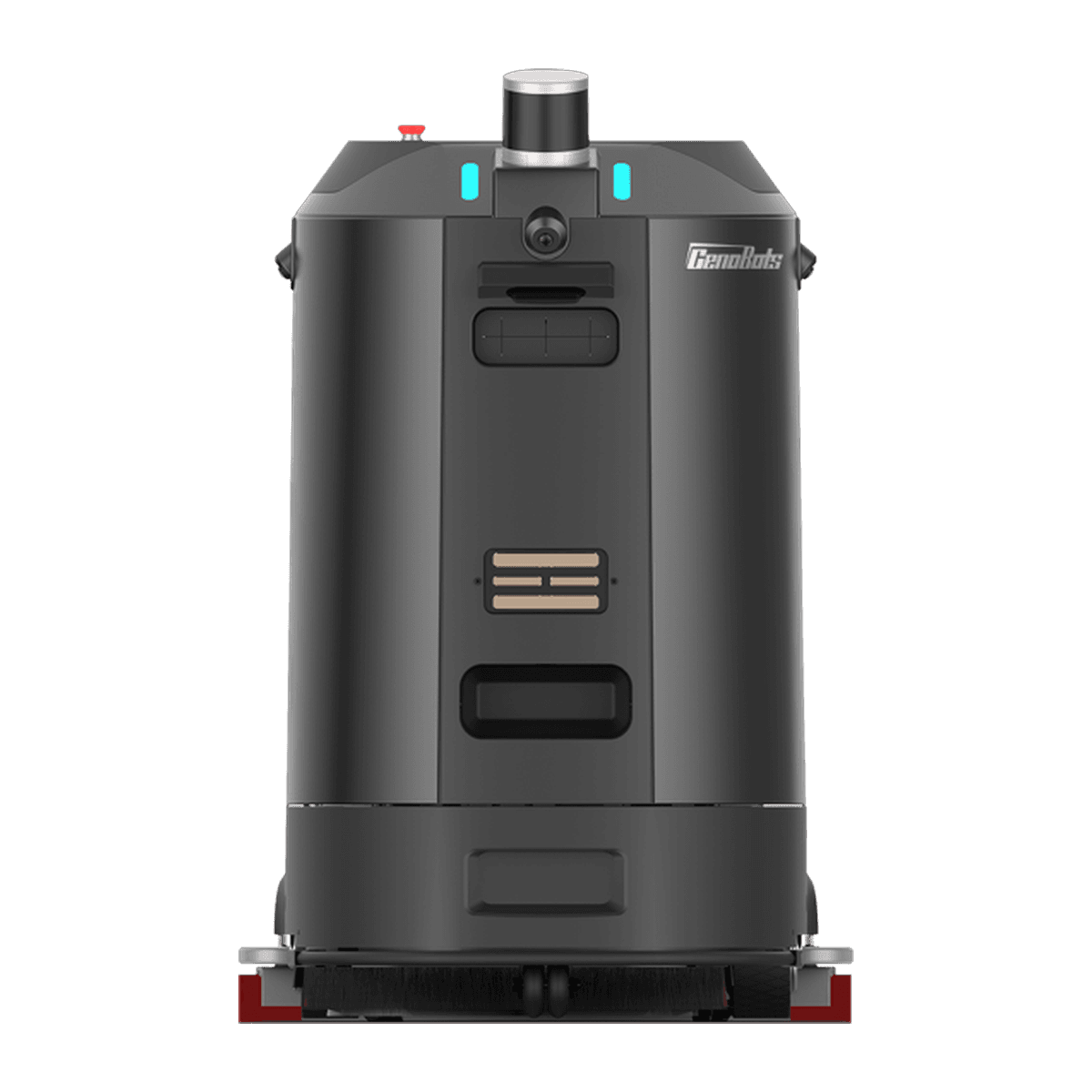
Best for: Mid-size commercial routes where buyers want practical autonomy, stronger budget clarity, and a balanced machine for schools, grocery, healthcare, senior living, and mixed-use facilities.
- Published customer-facing MSRP guidance helps operations and finance qualify the project earlier
- Balanced machine size fits buyers who need more capacity than a compact scrubber but do not want the footprint or budget jump of a larger platform
- Sproutmation supports deployment, route tuning, training, and local service across Minnesota, Wisconsin, and Iowa
Kärcher KIRA B 50
~$74,000 MSRP references
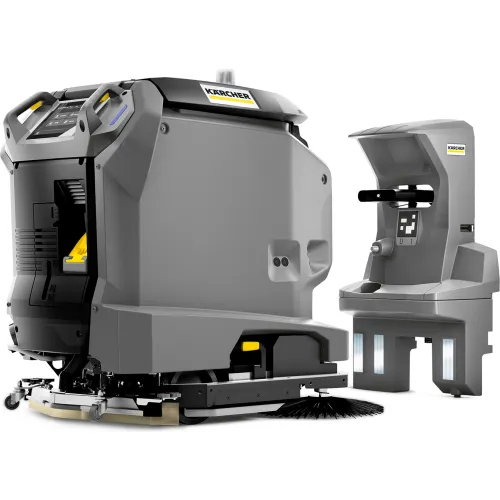
Best for: Buyers already committed to the Kärcher ecosystem who can justify a larger capital budget and a broader machine footprint.
- Recognized global cleaning brand with enterprise procurement familiarity
- Larger tank posture and premium-brand positioning that can stay relevant when standardization matters more than budget efficiency
- Best compared on full deployment workflow, service accountability, and whether the route really needs a larger and more expensive machine
Fast buyer comparison: where the L4 usually wins
Teams searching for a Kärcher KIRA B 50 alternative often are not really deciding between two identical machine classes. They are trying to figure out whether a practical mid-size autonomous scrubber will solve the route without forcing them into a premium-budget platform. That is why route fit, operator touch points, and service ownership usually matter more than badge recognition.
| Comparison point | CenoBots L4 | Kärcher KIRA B 50 |
|---|---|---|
| Price posture | $35,833 MSRP guidance | ~$74,000 MSRP references |
| Best fit | Schools, grocery, senior living, healthcare, mixed retail, office corridors, light industrial support routes | Buyers prioritizing Kärcher standardization or a higher-budget enterprise shortlist |
| Autonomy workflow | Practical daily autonomy with a simpler buyer story around route fit, staffing, and ROI | Enterprise autonomy path that should be validated for operator touch points, refill workflow, and daily support burden |
| Support conversation | Direct local deployment and service support from Sproutmation in the Upper Midwest | Support quality depends on local Kärcher territory execution and who owns uptime after go-live |
| Main buyer advantage | Clearer budget posture and a balanced facility fit for practical mid-market deployments | Brand familiarity for facilities already tied to Kärcher procurement |
How buyers should compare these two robots in the real world
If your route lives in school corridors, grocery loops, senior living hallways, healthcare commons, or mixed commercial spaces, the L4 usually creates the stronger shortlist case because it lands closer to the real route and closer to a practical budget. For many teams, that is the difference between a project that gets approved and one that stalls in procurement.
The Kärcher KIRA B 50 can still make sense when a broader Kärcher fleet relationship matters, or when the buying team values brand standardization enough to accept a much higher capital posture. But strong buyers still validate the same operational questions: how much floor has to be cleaned nightly, how many refills are realistic, how much rescue work remains after deployment, and who actually owns uptime in your region.
If your team is still deciding whether this building belongs in compact, mid-size, or large-format class, compare this page with our full CenoBots lineup comparison. If the route is already clearly mid-size, continue into the broader L4 competitor guide or pressure-test monthly ownership paths in our RaaS and rental guide.
Kärcher KIRA B 50 Alternative FAQ
Common questions from buyers evaluating the L4 against Kärcher for mid-size commercial routes.
What is a good Kärcher KIRA B 50 alternative for mid-size facilities?
The CenoBots L4 is a strong Kärcher KIRA B 50 alternative for buyers who want a mid-size autonomous scrubber with customer-facing MSRP guidance, practical daily autonomy, and direct support from Sproutmation across the Upper Midwest.
How much does the Kärcher KIRA B 50 cost compared with the CenoBots L4?
The CenoBots L4 is shown with customer-facing MSRP guidance around $35,833 on this comparison path. Kärcher KIRA B 50 buyer research often references a much higher price point, so teams should compare total deployment fit, support ownership, and operator workflow instead of evaluating price in isolation.
Who should choose the CenoBots L4 over the Kärcher KIRA B 50?
The L4 is usually the better first shortlist for schools, grocery stores, senior living communities, healthcare facilities, and mixed-use commercial sites that want a balanced machine size and a simpler path to ROI review.
When does the Kärcher KIRA B 50 still make sense?
The Kärcher KIRA B 50 can still make sense when the organization already buys through Kärcher channels, prefers that ecosystem, and confirms during a pilot that the support path and operator workflow match the staffing model.
Can Sproutmation help compare both robots for our building?
Yes. Sproutmation can compare route width, floor area, shift timing, labor pressure, support expectations, and payment structure so your team can choose between the L4 and Kärcher KIRA B 50 on the operational factors that matter most.